
Spring Migration Is Here: Welcome Traveling Birds Back to Your Backyard
Spring is one of the most exciting times of year for bird lovers. As the days grow longer and temperatures warm, millions of birds begin their journey north during spring migration. Many of the birds that spent the winter farther south are now returning to our neighborhoods to nest and raise their young.
With a few simple steps, you can make your backyard a reliable stop for migrating birds and enjoy an incredible variety of species along the way.
Why Spring Migration Is So Special
During migration, birds are traveling long distances and need places to rest and refuel. Your backyard can become an important stopover if you provide the essentials birds are searching for.
Migrating birds look for three main things:
• Reliable food sources
• Fresh water
• Safe places to rest and nest
Providing these basics can attract both familiar favorites and birds you may only see during migration.
Offer High Energy Foods
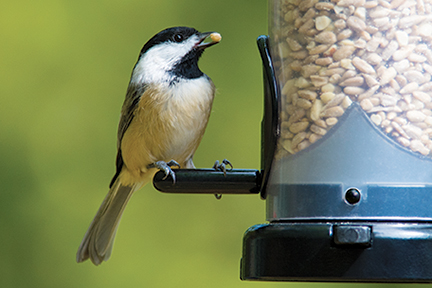
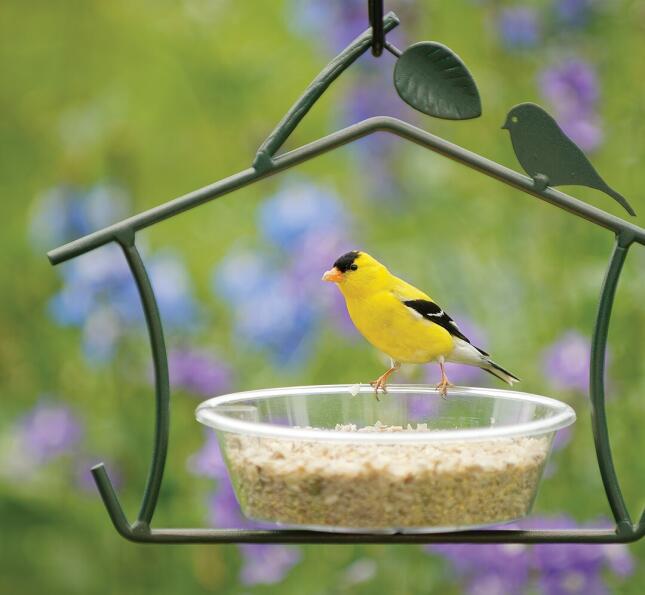
Migration requires a lot of energy, so birds are actively searching for nutritious foods. Keeping feeders full during this time of year can attract a wide range of species passing through your area.
Wild Birds Unlimited offers several foods that are excellent during migration:
- No Mess Blend
This premium blend contains sunflower chips, peanuts, and other high energy ingredients that birds can eat quickly before continuing their journey. - SuperSuet and Bark Butter
These high calorie foods help birds replenish energy after long flights. Woodpeckers, chickadees, and nuthatches are especially fond of them. - Dried Mealworms
Mealworms are a favorite of bluebirds and other insect eating birds returning north in spring.
Keeping feeders stocked during migration often brings a surprising variety of birds into your yard.
Add Fresh Water
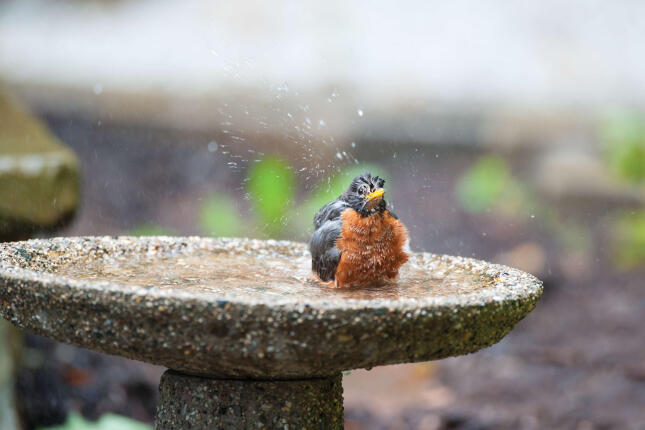
Water is just as important as food for migrating birds. A clean water source allows birds to drink and bathe, which helps them maintain healthy feathers for flight.
Adding a bird bath is one of the easiest ways to increase bird activity in your yard. Moving water is especially attractive, so consider adding a small dripper or fountain to make your bird bath even more inviting.
Refreshing the water regularly will keep it safe and appealing to birds throughout the season.
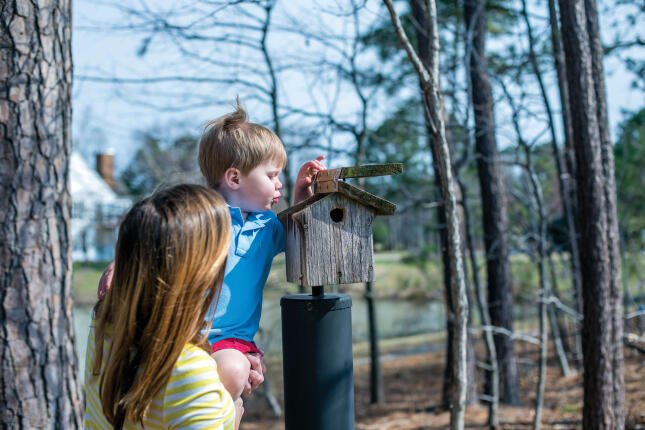
Prepare Nesting Spaces
Many birds arriving during migration are searching for nesting locations. Providing safe places for birds to raise their young can encourage them to stay in your yard throughout the spring and summer.
Installing nesting boxes is a great way to support cavity nesting birds like bluebirds, chickadees, wrens, and tree swallows.
Place boxes in appropriate habitat and clean out any old nesting material from previous seasons. Early spring is the perfect time to make sure everything is ready for the upcoming nesting season.
Create a Bird Friendly Habitat
Beyond feeders and nesting boxes, your yard can become even more attractive to migrating birds by offering natural shelter.
Consider these simple improvements:
• Plant native shrubs and trees
• Leave some natural cover for protection
• Avoid pesticide use so birds have access to insects
Even small habitat improvements can make a big difference for birds traveling through your neighborhood.
Enjoy the Season
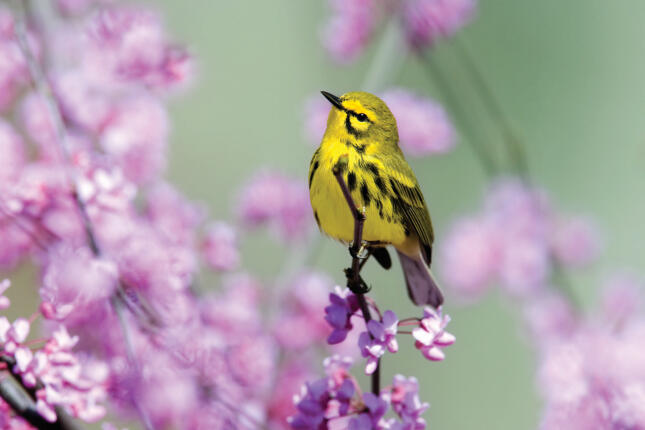
Spring migration only lasts a short time, but it is one of the most rewarding periods for backyard bird watching. You never know what species might stop by while passing through.
By providing high quality food, fresh water, and safe nesting spaces, your backyard can become a welcoming stop for migrating birds and a place they return to year after year.
Stop by your local Wild Birds Unlimited store to find feeders, foods, and supplies that will help you make the most of this exciting season.
Happy birding and enjoy the migration!